
Judging catalogues, sellers and items before paying
The decisions that happen before the journey starts
Policy and interface examples below come from official captures checked on 10 October 2026. Timings are published indications, not guaranteed delivery dates. Older UI amounts, offers and routes are illustrative; current order terms and checkout govern. Open an image for full size.
Everything on the journey pages is mechanical; everything on this page is judgement. Four judgements, in the order you meet them: the catalogue you browse, the seller behind a card, the item itself, and the habits that keep the whole run out of trouble.
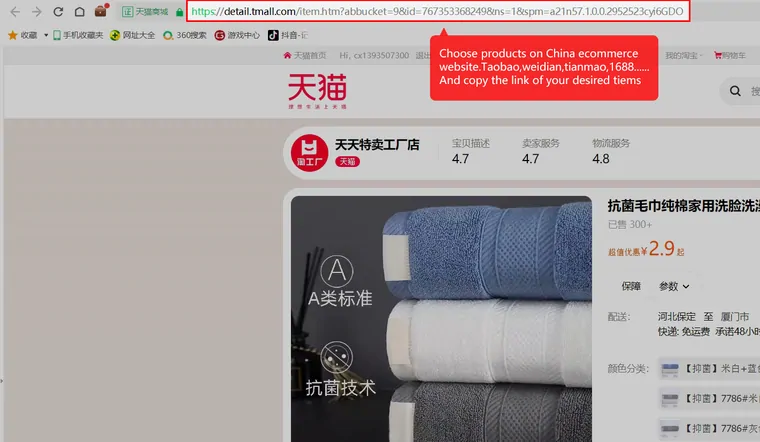
What makes a useful Spreadsheet site, tested on this one
A catalogue is maintained or it is dead, and you can test which within a minute. Click five cards from different shelves: check that the destinations match their labels and still show the intended products. A few successful links do not establish the quality of the entire catalogue. Look for dates on claims: a site that prints when it checked a fact expects to be re-checked itself. Look for a named operator with a working contact. And distrust superlatives: a catalogue that calls itself the biggest or the number one is marketing at you, since neither is checkable from the outside. This site submits to the same test, and the about page says who runs it and how to complain.
Judging the seller behind a card
A card links to a live marketplace listing, and the listing screen itself carries the seller signals: cumulative sales figures, buyer reviews with photos, and the stock count. Three habits pay for themselves. Read the review photos, not the studio shots, because buyers photograph what actually arrived. Compare the same product across several shops before trusting a price, because similar photos can hide different materials, variants, quantities or sellers; the image alone does not identify the source. And on wholesale-style listings from the 1688 side, check minimum order quantities and batch rules before falling in love with a unit price.
Picking the right item while it still sits on a shelf
The one structural advantage of agent shopping is the pause: your goods sit on a shelf, photographed, before any irreversible freight is paid. Use the pause. Open the intake photos the moment status reads stocked in, zoom the stitching and prints, and compare against the listing photos while a return to the seller is still a domestic errand rather than an international impossibility. The operator's return window for that errand is short and counted in hours, not weeks, so the habit that matters is checking photos the day they appear.
Know what the photos can and cannot tell you. The published inspection scope is appearance: model, style, size, with garments, bags, suitcases and shoes opened for the camera, factory-sealed packs left sealed, and electronics never tested for function or authenticity. A photo answers is it the right item in the right colour; it does not answer does it switch on.
Habits that keep a run out of trouble
- Weigh the category against the belt: liquids, powders, magnets and loose batteries fail aviation screening on most routes. A route accepting some liquids does not establish perfume acceptance. Confirm the exact ingredients, packaging and destination before buying.
- Follow the route’s limits and truthful declaration requirements. The retained help article warns that large, heavy or repeated-item parcels can attract questions; a weight below 10kg does not guarantee clearance or personal-use treatment.
- Write your address to the house number and keep the phone number reachable: the two fields behind most failed deliveries and returned parcels.
- Screenshot everything with a date: listings change, promotions expire, and your payment-order screenshot is the only proof the operator will hand customs.
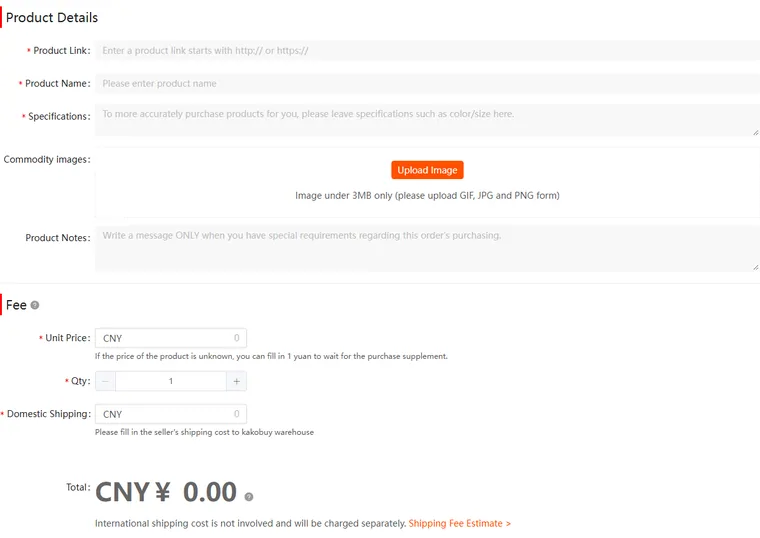
- Mind the manual-order trap: goods bought through the fill-in form from unsupported platforms carry no after-sales and cannot be cancelled after payment, in the form's own words.
The last minute before paying
A short physical checklist catches most regret: open the seller page once more and screenshot it with today's date; re-read the variant row for the size system it actually uses; check the category against the route you plan, liquids and batteries first; and if several items will travel together, make sure they are all bound for the same parcel rather than scattered submissions. Sixty seconds here saves a return leg that costs real freight.
Reading the wider agent trade
Dozens of other shopping agents run the same scale-camera-shelf-bench building, and they differ on measurable axes rather than on slogans: fee model, storage window, photo policy, route breadth, markup on the exchange rate, and how much of the company is printed where you can check it. The trade also shares failure modes: services that die holding user balances, catalogues that quietly swap links, rates that drift. The why page applies those axes to this operator, including the cases where the honest answer is to use someone else; comparing agents on those axes beats comparing slogans, and the same axes work on any competitor you are weighing.